Accra Floods: Alajo Resident Explains Why He Demanded GH¢3,000 to Retrieve Victim’s Body

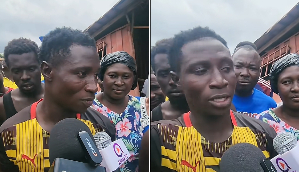
A resident of Alajo has responded to the widespread criticism surrounding his decision to demand GH¢3,000 before assisting in the retrieval of a flood victim’s body following the recent devastating floods in parts of Accra.

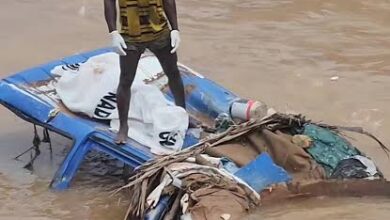
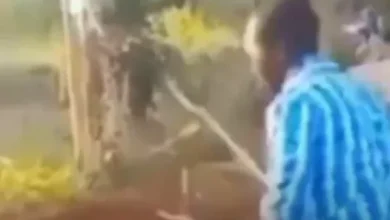
The incident, which quickly gained attention on social media and across news platforms, occurred after heavy rainfall triggered severe flooding in several communities within the Greater Accra Region. Among the affected areas was Alajo, a community that has repeatedly experienced destructive floods during the rainy season. During the disaster, one individual was reportedly swept away by the powerful floodwaters, prompting frantic efforts by residents and emergency responders to recover the victim.
According to the resident at the center of the controversy, his request for GH¢3,000 was widely misunderstood. Speaking in an interview after public backlash, he explained that the amount was never intended as payment for simply retrieving the body. Instead, he said the money was meant to cover the costs and risks associated with carrying out such a dangerous operation.
He noted that recovering a body from fast-moving floodwaters is an extremely hazardous task that requires experienced individuals, appropriate equipment, and careful planning. Entering swollen drains or flooded waterways without the necessary protective gear could easily result in additional casualties. For that reason, he argued that the financial request was intended to secure the resources needed to safely conduct the recovery.
The resident further explained that he and others who participate in similar rescue and recovery efforts often expose themselves to life-threatening conditions without receiving any official support or insurance. According to him, the operation would have involved several people working together, transportation costs, and specialized tools needed to retrieve the victim from the dangerous waters.
He also emphasized that many residents have previously volunteered during emergencies, sometimes risking their own lives to save others or recover victims, yet they often receive little recognition or assistance afterward. He maintained that the request should not be interpreted as an attempt to profit from another family’s tragedy but rather as a practical consideration for the significant risks involved.
Despite his explanation, the incident has continued to generate mixed reactions among Ghanaians. While many people believe humanitarian assistance should be offered freely during emergencies, others acknowledge that dangerous rescue and recovery operations often require resources, equipment, and trained personnel. Some observers argued that such responsibilities should primarily fall on state emergency agencies rather than individual community members.
The controversy has also reignited conversations about Ghana’s recurring flooding problem and the preparedness of emergency response institutions. Every rainy season, several communities across Accra experience flooding that leads to loss of life, destruction of property, and the displacement of residents. Urbanization, poor drainage systems, and indiscriminate disposal of waste into waterways have frequently been cited as major contributors to the persistent problem.
Residents in flood-prone communities continue to call for long-term solutions, including improved drainage infrastructure, stricter enforcement against building on waterways, and more effective waste management systems. Many also believe emergency services should be better equipped to respond quickly to disasters, reducing reliance on untrained volunteers during life-threatening situations.
The tragic incident serves as another reminder of the devastating consequences of flooding and the urgent need for preventive measures. While debate continues over the resident’s demand for payment, many believe the larger issue remains the recurring floods that continue to endanger lives and expose weaknesses in disaster preparedness.
As investigations and public discussions continue, authorities are expected to review the circumstances surrounding the incident while reinforcing efforts to improve emergency response mechanisms. Ultimately, many Ghanaians hope the unfortunate loss of life will inspire meaningful action to address the root causes of flooding and ensure that future rescue and recovery operations are handled swiftly, professionally, and safely.